

An estimated 1,796 people have died in boundary and communal clashes across Nigeria between January 2018 and August 2025, according to findings by the Foundation for Partnership Initiatives in the Niger Delta (PIND). The organization noted that the death toll has sharply increased in recent years, with 676 fatalities recorded between 2018 and 2022 alone. Much of the violence has been concentrated in the southern and North Central regions, especially states like Cross River, Delta, and Bayelsa.
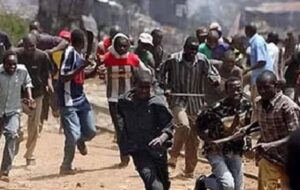
In Cross River State, over 400 deaths were linked to communal disputes between January 2020 and December 2023. Similarly, Delta and Bayelsa states recorded over 650 fatalities during the same period, with incidents in Okuama and Igbomotoru communities cited as examples of avoidable tragedies involving both civilians and security forces. Other deadly incidents occurred in states like Kogi, Benue, Enugu, Anambra, Ebonyi, Ondo, and Osun, where land ownership and boundary disagreements escalated into violence.
Security analyst Chidi Omeje attributed the persistence of these conflicts to the inefficacy of Nigeria’s Land Use Act and poor boundary delineation by the National Boundary Commission. He emphasized that in regions like the South-East, where land is scarce and highly valued, unresolved questions around land ownership and heritage continue to fuel deadly tensions. Omeje also criticized the lack of coordination between federal and state governments in addressing these long-standing disputes.
Omeje called for urgent reform and proactive engagement from all levels of government to prevent future bloodshed. He stressed the need for the Land Use Act to be properly implemented and for boundary lines to be clearly defined. Without these measures, he warned, land-related violence will continue to threaten peace and stability, especially in land-sensitive areas across the country.

