

The World Bank’s 2025 report has predicted a worsening poverty rate in Nigeria by 2027, causing widespread criticism from civil society organizations, economic experts, and private sector leaders. Many have expressed concern that despite Nigeria’s position as Africa’s largest economy, poverty continues to deepen due to poor governance, corruption, inflation, insecurity, and rising living costs. These stakeholders argue that government policies have failed to promote inclusive growth and have instead worsened inequality.
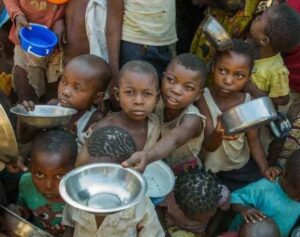
Organizations such as ActionAid Nigeria, CISLAC, NACCIMA, and Global Rights strongly condemned the government’s handling of the economy. They pointed out that the administration’s priorities are misplaced, favoring luxury and political patronage over urgent social and economic reforms. They emphasized that without serious structural changes and better governance practices, Nigeria risks becoming the global capital of extreme poverty.
As solutions, the groups called for immediate action to establish targeted social protection programs, revitalize the agricultural sector, invest in critical infrastructure, diversify the economy, and ensure transparency and accountability in governance. They stressed that only bold and strategic reforms could reverse Nigeria’s downward economic trend and secure a better future for millions of its citizens.

