

In the wake of mass defections, especially in Delta State, the People’s Democratic Party (PDP) has chosen to confront what it calls the theft of its political mandates through legal means. Following a tense meeting in Abuja, the party leadership resolved to pursue court action, citing Section 68 (1)(g) of the 1999 Constitution to demand that defectors vacate their seats. This provision has precedent with lawmakers but remains untested when applied to governors, making the PDP’s move a bold and uncertain one.
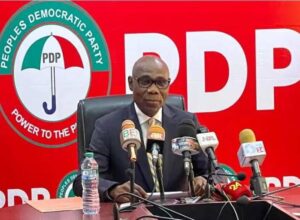
The defections have been widespread, with 82 lawmakers at federal and state levels abandoning the PDP since 2023. Notably, all 22 PDP members of the Delta State House of Assembly and Governor Sheriff Oborevwori have defected to the APC, significantly weakening the party’s presence in a strategic region. These moves have intensified fears of Nigeria sliding toward a one-party state, especially as the APC consolidates power through these defections.
The PDP’s legal response, so far limited to Delta State, is being closely watched. The party’s leadership argues that the mandates secured under the PDP banner were not meant to be transferred to rival parties. However, legal experts caution that the courts may be reluctant to remove elected officials, especially governors, over defections, interpreting their mandates as belonging to the electorate rather than the party.
This unfolding legal standoff places the PDP at a crossroads. A court victory could restore its authority and stem further defections, while a loss might hasten its decline. As the lawsuit remains unfiled, suspense grows, and internal tensions simmer. In this high-stakes gamble, the future of party politics in Nigeria — and the balance of democratic power — hangs in the balance.

