

For over two decades, the Ndokwa people of Delta State have lived in darkness while electricity generated from the Okpai Independent Power Plant (IPP) in their land has powered distant cities like Abuja, Enugu, and Anambra. When the plant was commissioned in 2005, the community expected to benefit directly, but instead, they were sidelined. Promises made by President Obasanjo at the time and numerous government officials since then have all gone unfulfilled, leaving the community without access to electricity from a power facility located on their own soil.
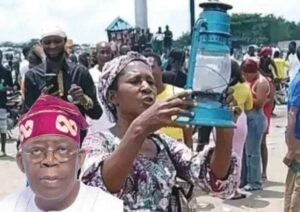
Despite repeated assurances and a 2021 federal contract worth N4.2 billion to construct a transmission line, the project remains stalled with no clear explanation. Leaders like former Governor Ifeanyi Okowa and current Governor Sheriff Oborevwori have offered little tangible progress. Senator Ned Nwoko raised the matter in the Senate in 2024, prompting the upper chamber to direct its power committee to investigate and ensure delivery of 100 megawatts of electricity to Delta North. However, no substantial improvements have been made since.
Fed up with years of neglect, the youth of Ndokwa launched a protest on June 16 under the banner “Light Up Ndokwa Nation.” They blocked roads and demanded the step-down of electricity from the Okpai plant to their communities. The police responded with tear gas, claiming the protest had turned violent. Even appeals from Deputy Governor Monday Onyeme and local leaders failed to deter the protesters, who insisted that connecting them to BEDC was not a solution—they wanted direct power from the IPP.
The protest reflects a deeper frustration rooted in decades of marginalization and unfulfilled promises. Activists like Victor Ojei condemned the government’s hypocrisy, pointing out how Ndokwa—a major contributor to the state’s revenue lacks federal presence, institutions, or meaningful development. The community feels insulted, deceived, and punished despite being the source of the very electricity they are denied.
The Ndokwa people’s demand is simple: equity and justice. They want their fair share of the power their land helps generate. With growing public support and political pressure, there is renewed hope that their voices will finally be heard, and the long-overdue step-down project will be implemented. Until then, their fight remains a powerful symbol of grassroots resistance to institutional neglect.

