

Iran-Israel Conflict Escalates as Hospital Strike Prompts Israeli Threats
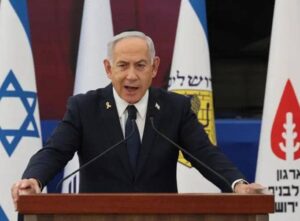
Israeli Prime Minister Benjamin Netanyahu has vowed that Iran will “pay a heavy price” after a missile strike hit Soroka Hospital in Beersheba, southern Israel. The attack, part of a larger barrage of Iranian ballistic missiles, caused significant destruction to the medical center, injuring 40 people and damaging several wards. While Iran claims it targeted Israeli military and intelligence sites, the hospital was among the facilities impacted in what is now the seventh consecutive day of hostilities.
The conflict has drawn international attention, especially with U.S. President Donald Trump keeping the world in suspense over a potential American military response. Trump, while hinting at possible involvement, remains vague, stating that he prefers to make war decisions at the last moment. Reports suggest he approved strike plans but is holding off pending Iran’s response on its nuclear program. Meanwhile, the White House confirmed a scheduled intelligence briefing for Trump, with diplomatic talks underway between U.S. and British officials.
In retaliation, Israel conducted overnight strikes on Iranian nuclear sites, including the partially built Arak reactor and the Natanz facility, aiming to cripple Iran’s nuclear development capacity. Iran, facing severe internet blackouts and mounting casualties, reported significant losses from Israeli strikes, including nuclear scientists and military leaders. Israel, on its part, has suffered dozens of casualties and property damage from over 1,000 drones and 400 ballistic missiles launched by Iran.
Global powers are calling for restraint. Russian President Vladimir Putin has proposed renewed diplomatic efforts, suggesting a deal that could satisfy both Israel’s security concerns and Iran’s pursuit of a peaceful nuclear program. Despite growing international pressure, the conflict shows no signs of immediate resolution, as both sides escalate offensives in a dangerously volatile standoff.

