

Industry leaders have called for a concerted effort to enforce policies, engage stakeholders, and implement practical solutions that will ensure the long-term sustainability of Nigeria’s telecommunication infrastructure.
They identified important measures to secure telecommunications infrastructures in the country and ensure that investments in the telecoms space are protected.
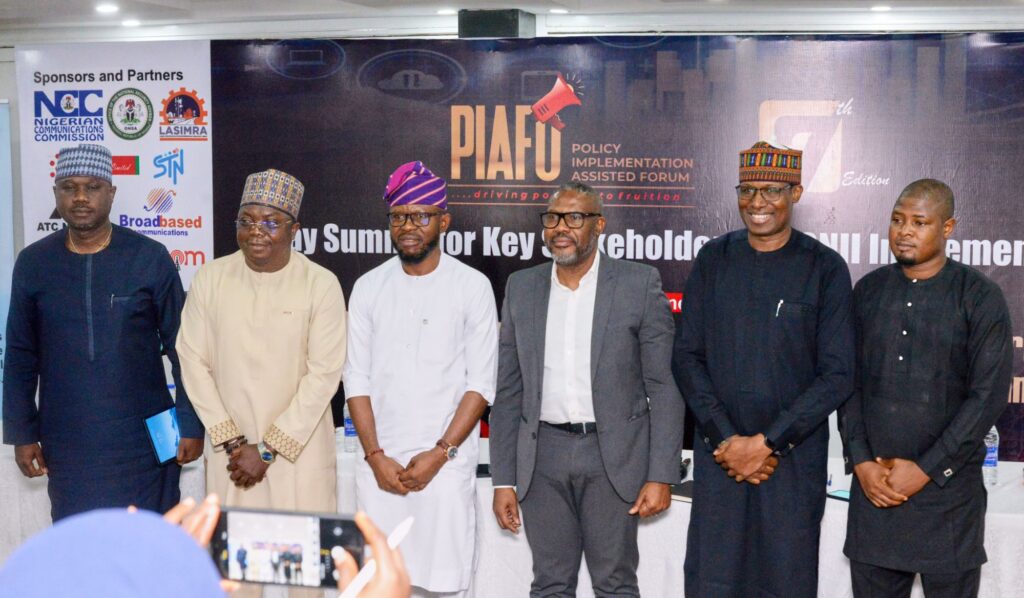
They argued that as much as the effective implementation of the Executive Order on the Designation and Protection of Critical National Information Infrastructure (CNII) is important, the Order cannot solely guarantee infrastructure safety except certain internal and standardisation issues are first resolved by operators.
Speaking at the 7th Policy Implementation Assisted Forum (PIAFo) Summit on CNII implementation held Thursday in Lagos, the industry leaders highlighted pressing issues such as infrastructure vandalism, unauthorized installations, and cable theft, while proposing actionable solutions to safeguard the country’s critical national infrastructure.
Gbenga Adebayo, Chairman of the Association of Licensed Telecommunications Operators of Nigeria (ALTON), stressed the importance of proper infrastructure maintenance and installation to prevent vandalism and theft.
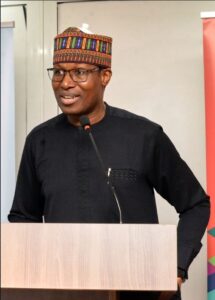
He highlighted the widespread issue of stolen manhole covers and poles, attributing the problem to poor maintenance practices.
“A diesel supplier was blocked from entering an estate because a previous contractor had damaged their property and failed to make repairs. This lack of accountability breeds distrust and delays crucial projects,” he explained.
He urged stakeholders to foster better relationships with communities to prevent such conflicts.
Another critical issue Adebayo identified was the unauthorized installation of infrastructure without government approval, leading to inadvertent damage during road construction projects.
“Government agencies often damage unregistered infrastructure simply because they were not documented in official records. Proper approvals and collaboration with authorities will ensure accountability and protection of critical infrastructure,” he noted.
Echoing these concerns, Tony Emoekpere, President of the Association of Telecommunications Companies of Nigeria (ATCON), emphasised the need for standardisation and better coordination among stakeholders.
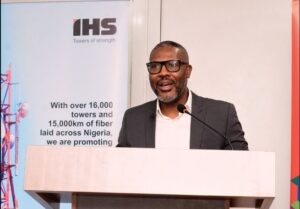
“Cable theft is a serious issue. Airtel representatives told me they experience a cable cut every six minutes. The assumption that all black cables contain valuable copper leads to reckless vandalism,” he explained.
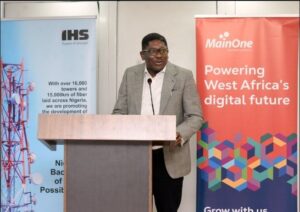
To combat this growing problem, Wole Owoeye proposed three key approaches, including reorientation, enforcement, and proactive measures.
“We need to engage local communities in their native languages, educating them on the consequences of vandalism. Strict legal penalties, including long-term imprisonment, should be enforced to deter offenders,” he said.
He also emphasized the need for preventive strategies rather than reactive responses. “Prevention is always more effective and cost-efficient than restoration,” he noted.
As a proactive measure, Owoeye proposed the creation of a dedicated fund to support advocacy and awareness campaigns across Nigeria.
To demonstrate his commitment, he pledged to contribute N500,000 quarterly as a seed fund and encouraged other industry players to follow suit.

