

As Nigeria’s economy continues to deteriorate, skyrocketing inflation has pushed the prices of essential commodities to alarming levels. Among the most affected is palm oil, a staple in most Nigerian kitchens. The drastic rise in its price—reportedly over 100%—has left many families desperate to find affordable alternatives. This economic pressure has unintentionally exposed households to a serious health threat: the widespread adulteration of palm oil with red oxide, a harmful industrial chemical.

Red oxide, or iron(III) oxide, is commonly used in the production of paints and pigments—not food. Unscrupulous dealers now mix it with low-quality palm oil to enhance its reddish color and appeal, making it look like premium oil. The motive is purely profit-driven, as a 25-liter container of palm oil now sells for over ₦50,000. Many unsuspecting families, lured by the lower price, end up purchasing the adulterated product, unaware of its toxic composition and potential for food poisoning.
The health implications of consuming red oxide-laced oil are dire. Consumers have reported symptoms such as stomach pain and diarrhea after using suspicious palm oil. Some, like Mrs. Yemisi Oloyode and Mrs. Gladys Douglas, shared their disturbing experiences of unknowingly cooking with contaminated oil that caused their families significant discomfort. The adulterated oil often changes color and taste when stored, signaling its unnatural additives yet this is often discovered too late.
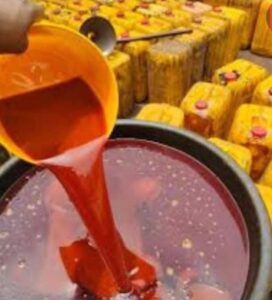
Experts warn that ingestion of red oxide poses serious risks to internal organs such as the kidneys, liver, and central nervous system. Yet, its use in food continues due to poor regulatory enforcement and limited public awareness. Honest suppliers stress the importance of sourcing palm oil from trusted sources, though many consumers remain vulnerable due to economic hardship and limited options. Without urgent intervention, Nigeria faces a looming public health crisis driven by the toxic consequences of economic desperation.

