

Nurses in government hospitals across Nigeria are battling poor pay, staff shortages, unpaid allowances, and unsafe working conditions, made worse by the mass exodus of health workers seeking better opportunities abroad. Many work long, grueling hours without proper rest, risking their health to care for patients. In some cases, nurses like Adeyinka and Lucky have collapsed during shifts due to exhaustion, illness, and lack of support, yet still push themselves to continue because there is no one else to take over.
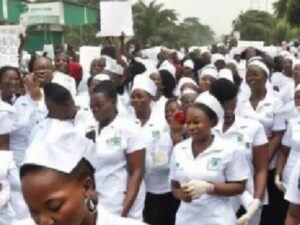
The brain drain in the health sector has left hospitals severely understaffed. Data from the Nursing and Midwifery Council shows over 75,000 Nigerian-trained nurses and midwives have moved abroad in the past five years. This shortage means those left behind must take on workloads far beyond safe limits, sometimes caring for more than 10 patients at once instead of the WHO-recommended four.
Conditions in hospitals are also far from ideal. Many nurses lack essential tools and equipment like gloves, scrubs, and proper medical devices, and often have to buy them personally or improvise with substandard alternatives. This affects the quality of care and puts both nurses and patients at risk.
In some states, nurses have no health insurance or housing support, and their already heavy workloads are worsened by overcrowded wards. Despite these challenges, they continue to work under pressure, driven by their oath to save lives, even when it means putting their own health on the line.
Nurses and their leaders are calling for better wages, adequate staffing, improved working conditions, and access to proper medical tools. Without urgent reforms, Nigeria risks further losing its healthcare professionals, worsening the already critical situation in the country’s hospitals.

