

The Federal Government of Nigeria has significantly reduced its electricity supply to the Niger Republic, decreasing it from 80 megawatts to 46 megawatts a 42% cut. This measure follows regional sanctions imposed after the July 2023 military coup that ousted President Mohamed Bazoum. Although some sanctions have since been lifted, the restricted electricity export remains, severely affecting Niger’s national power output. The country’s energy production has reportedly fallen by 30 to 50 percent, prompting the state-owned utility company, Nigelec, to implement prolonged and scheduled blackouts, especially in the capital city, Niamey.
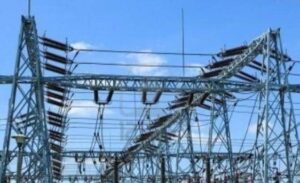
Niger’s Energy Minister, Haoua Amadou, confirmed the continued shortfall in electricity despite Nigeria’s partial resumption of supply. She explained that while efforts are ongoing to boost local electricity production, they have not yet met national demand. As a result, controlled outages persist, disrupting daily life and business operations. These persistent blackouts have triggered a growing dependence on alternative energy sources among citizens and companies.
Solar energy has become the most viable alternative, with rooftop solar panels increasingly dotting the skyline of Niamey. According to residents, this shift has brought relief from power cuts and electricity bills. Panels imported primarily from China and costing about 50,000 CFA francs (approximately 75 euros) are readily available, even being sold on the streets. The situation reflects both the vulnerability of Niger’s energy sector and the broader geopolitical consequences of Nigeria’s energy policies in response to regional political instability.

