

Sudan’s oil-rich Kordofan region has emerged as a major battleground in the ongoing war between the national army and the Rapid Support Forces (RSF), with both sides vying for strategic control. The region’s importance lies in its oil reserves and its role as a vital route for South Sudan’s oil exports. Since June 2025, the army has intensified efforts to reclaim territory from the RSF, especially after the paramilitary force made significant gains, including the capture of Khartoum and Gezira earlier in the conflict.
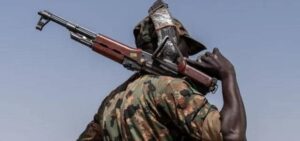
Recent airstrikes by the Sudanese army in West Kordofan have killed dozens of civilians and drawn condemnation from the United Nations, fueling local anger and complicating efforts to regain control. Meanwhile, the RSF, composed largely of fighters from the local Misseriya ethnic group, has vowed to expand the conflict if bombings continue, threatening key oil infrastructure and escalating violence. Both sides have been accused of atrocities, with over 450 civilians reportedly killed in recent RSF attacks, including women and children.
As the RSF prepares to launch an offensive on el-Obeid, the capital of North Kordofan, the stakes are rising. The control of Umm Sumaima—a strategic military post—could allow the RSF to besiege the army’s base in el-Obeid and cut off supply routes. With roughly 12 million people displaced and 150,000 lives lost since the conflict began in April 2023, experts warn that the fight for Kordofan could mark a turning point in the war, potentially reshaping the country’s future.

